Bedding Materials · Fabric Guide
Percale or Linen? Comparing Naturepedic’s Organic Sheet Fabrics
Both organic cotton percale and organic linen can make a breathable, considered bed. But they are not interchangeable: one is crisp and orderly, the other textured and relaxed. Understanding their fibers, weaves, feel, and care requirements can help you choose the sheet fabric that fits your habits—not just your idea of a perfect bedroom.
Sheets are a small part of a room and a large part of a night. They touch the skin for hours, absorb warmth and moisture, and go through the repetitive work of laundering. When choosing between Naturepedic’s organic percale and linen sheets, the useful question is not which material is universally better. It is which one feels right to you, works with your sleep environment, and fits the way you care for bedding.
The distinction begins with the fiber. Percale sheets are made from cotton, woven in a plain, balanced construction. Linen is made from flax fiber, spun into yarn and woven into cloth. That difference in raw material shapes each fabric’s character, but so do its weave, weight, finishing, and use over time. Percale tends to feel crisp, smooth, and cool to the touch. Linen has a more visibly textured surface and a relaxed, substantial hand.
Naturepedic’s organic cotton percale sheet sets are described as 300-thread-count GOTS-certified organic cotton, while its organic linen sheets use GOTS-certified organic flax linen at 185 grams per square meter. The products differ in more than the number on a label: thread count describes the number of threads in a square inch of woven fabric, while grams per square meter describes fabric weight. Neither measurement alone tells the whole story of comfort or durability.
What percale means
Percale is a weave, not a type of fiber. In a classic one-over, one-under pattern, the warp and weft threads cross in a regular grid. This balanced structure gives cotton percale its characteristic crispness and matte appearance. The fabric is often compared to a freshly laundered hotel sheet: smooth, neat, and cool against the skin, with a little structure rather than a slippery drape.
In Naturepedic’s organic percale, the cotton is woven into a lightweight fabric with a 300-thread-count construction. The product information describes the sheets as breathable and crisp, and notes that the fabric becomes softer with washing. Cotton’s familiar hand and the open, balanced weave make percale a common choice for people who prefer a clean, airy feeling over a smooth, satin-like finish.
Percale does not need to feel stiff forever. New sheets may have a more pronounced crispness, but regular washing and use can soften the cotton. The change is gradual, and the sheet can retain a structured feel rather than becoming limp. How it feels after laundering depends on the water, detergent, drying method, and the condition of the fabric, as well as its original construction.
What makes linen different
Linen begins with flax, a plant whose fibers are processed and spun into yarn. Compared with cotton percale, linen fabric usually has a more irregular, tactile surface. Small variations in yarn and weave are part of its visual character. Instead of a crisp, uniform plane, linen offers a softer-looking texture and a drape that can feel weighty without being dense.
Naturepedic’s organic linen sheets are made from certified organic flax grown in France and are described as stone-washed. Their fabric is listed at 185 grams per square meter. Linen’s natural hollow fibers allow air and moisture to move through the fabric, according to the product information. This combination of airflow and moisture management is one reason linen is often chosen for year-round bedding: it can feel cool and dry in warm conditions while still offering a comforting sense of substance when the room is cooler.
That does not mean linen will make every sleeper comfortable in every climate. Room temperature, mattress and duvet choices, personal warmth, and individual preference all matter. Linen’s texture is also a genuine distinction, not a defect to be washed away. Some people enjoy its relaxed, lightly rumpled appearance; others prefer the smoother, more uniform surface of percale.
The feel: crisp versus textured
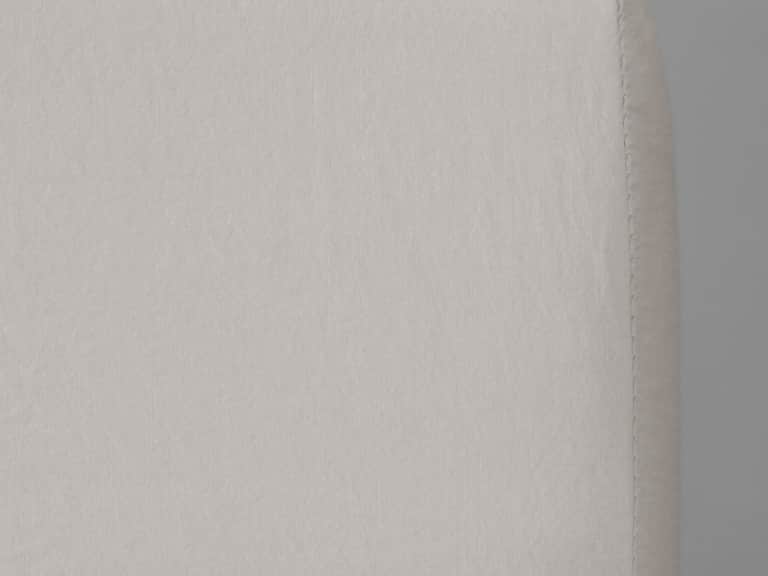
For many people, the choice comes down to what they notice first when they get into bed. Percale feels cool and crisp at first contact. Its surface has a dry, matte quality, and it tends to lie flatter and look more tailored when the bed is made. If you like a freshly pressed appearance or the feeling of a lightweight cotton shirt, percale may feel familiar.
Linen feels more textured under the hand. Its surface is not as uniform, and the fabric can have a relaxed drape rather than the precise, flat finish associated with percale. The sensation can be described as casual and substantial, though “soft” means something different here: linen’s softness is often perceived as a pliable, lived-in texture, not the smoothness of sateen or a finely finished cotton.
Neither description is a promise that everyone will experience the fabric in the same way. Sensitivity to texture varies. If you are uncertain, consider whether you prefer a smooth, even sheet or a material with a more noticeable natural grain. That preference is often more revealing than a high thread count, a luxury label, or the word “hotel” in a product description.
Breathability and temperature
Percale and linen are both commonly chosen by people seeking breathable bedding, but they achieve their characteristic feel through different fibers and constructions. Cotton percale’s balanced weave produces an airy, lightweight sheet with a crisp hand. Linen’s flax fibers and fabric structure are associated with airflow and moisture movement. Either may suit someone who dislikes a heavy, clingy sleep surface, but neither can control the temperature of a whole bed on its own.
Think of sheets as one layer in a system. A thick duvet, mattress protector, room humidity, and the temperature of the bedroom may have as much influence on perceived warmth as the sheet itself. A person who sleeps hot in a heavily insulated bed may still feel warm in breathable percale or linen. Conversely, someone who gets cold easily may appreciate linen’s more substantial feel or may prefer to adjust the layers above it.
There is no single best fabric for “hot sleepers.” If cool initial contact and a light, crisp surface are priorities, percale is a logical place to start. If airflow, moisture-wicking qualities, and a more textured feel appeal, linen may be worth considering. Treat those tendencies as useful guidance rather than a guarantee: personal comfort is individual, and product construction differs across manufacturers.
How the fabrics change with washing
Washing is part of the life of any sheet, and the way a fabric responds can influence whether it remains enjoyable. Naturepedic describes its organic cotton percale as becoming softer with each wash. This gradual change is consistent with the familiar appeal of cotton bedding: it can retain its crisp character while becoming more comfortable with repeated use.
Linen is also described as growing softer over time. Its relaxed texture and natural irregularity may become more pronounced as the fabric is used and laundered. That evolution is part of linen’s appeal for many households. A perfectly smooth, wrinkle-free surface is not the aim; a softened, naturally rumpled look is often considered part of the fabric’s character.
Repeated washing can also stress fibers, seams, and elastic. Gentler cycles, appropriate detergent, and avoiding excessive heat can help protect bedding, although the care label for the specific set should always take priority. Overloading a washer can prevent linens from moving freely and rinsing thoroughly. Separating bedding from rough items such as garments with zippers may also help reduce abrasion and snagging.
Care routines: what to expect
Naturepedic’s listed care guidance for its organic percale and linen differs slightly. The percale sheets are described as machine washable in warm water and suitable for tumble drying on low; warm ironing is optional, and bleach is not recommended. The linen sheets are also listed for warm machine washing and low tumble drying, with warm ironing optional and no bleach. Always check the care instructions supplied with the exact product, since details can vary by item and may change over time.
Neither fabric should be chosen on the assumption that it requires no attention. Cotton percale may wrinkle, particularly if it remains bunched in the dryer or sits in the machine after a cycle. Linen’s natural, relaxed look makes wrinkles less conspicuous, but it is not necessarily wrinkle-free. Removing either fabric promptly from the dryer and folding or making the bed while it is still slightly warm can reduce the appearance of creases.
For a polished, smooth bed, ironing can help, especially with percale. For a more casual finish, linen’s creases can simply be accepted as part of its appearance. The practical question is not whether a sheet wrinkles, but whether its natural finish matches the level of neatness you want to maintain.
Thread count, weight, and what they can—and cannot—tell you
Thread count is often used as shorthand for quality, but it should be read in context. Naturepedic’s percale is listed at 300 thread count. That figure is a construction detail, not a direct measurement of softness, breathability, or expected lifespan. Fiber quality, yarn, weave, finishing, and the accuracy of the specification all affect the finished sheet.
Linen is more commonly described by fabric weight than by thread count. Naturepedic lists its organic linen at 185 grams per square meter, a measure of how much the fabric weighs over a given area. Comparing that number directly with the percale thread count would be like comparing the weight of a book with the number of pages in a magazine: both may be useful details, but they describe different things.
When evaluating bedding materials, use technical specifications to understand the product, not to declare a winner in advance. For percale, look at fiber content, weave, thread-count information, pocket depth, and care instructions. For linen, consider fiber source, fabric weight, finishing, dimensions, and the same practical fit and care details. The sheet must suit the mattress, and the fabric must suit the sleeper.
Organic certifications and sourcing
Organic claims can matter to shoppers who want more information about fiber production and processing. The Naturepedic percale and linen descriptions identify their respective materials as GOTS-certified organic cotton and GOTS-certified organic flax or linen. A certification is most useful when shoppers understand exactly what is being certified and verify that it applies to the product and scope they are considering.
Naturepedic’s linen information identifies the flax as grown in France and the finished sheets as made in India in a GOTS-certified organic facility. Its percale information also describes production in India in a GOTS-certified facility. Origin details can help clarify the journey of a textile, but they do not by themselves settle questions of comfort, durability, or suitability. Those are shaped by the whole product and its use.
For bedding buyers, the practical approach is to read certification and sourcing details alongside material specifications and care directions. Organic status may align with a shopper’s values, but it should not replace attention to fit, feel, and laundering requirements. The most meaningful choice is one that meets both personal priorities and everyday needs.
Which fabric suits which preference?
Percale may be the stronger match if you want a smooth, crisp, breathable sheet with a matte surface and a more tailored look. It may also appeal if you prefer the familiar feel of cotton and like the prospect of a fabric that softens gradually while keeping a structured character. Its relatively straightforward care guidance makes it an accessible option for people who want organic bedding without adopting a visibly rumpled aesthetic.
Linen may suit you better if you enjoy texture, a relaxed drape, and a bed that looks naturally lived in. Its flax fiber and breathable, moisture-managing qualities are attractive to people seeking year-round comfort, and the fabric’s hand can become softer with use. Linen is a particularly natural fit for someone who sees creasing not as a maintenance failure but as part of the material’s appearance.
Before deciding, ask yourself a few practical questions:
- Do you prefer a crisp, even surface or a textured, relaxed one?
- Is a neat, tailored bed important, or are natural wrinkles acceptable?
- Do you tend to prefer lightweight cotton, or do you like a more substantial fabric?
- Will the sheets fit your mattress depth and bed configuration?
- Do the listed washing and drying instructions work with your household routine?
- Are fiber sourcing and organic certification important parts of your decision?
A considered choice, not a contest
Percale and linen answer different preferences. Organic cotton percale brings crispness, a balanced cotton weave, and a clean matte finish. Organic linen brings flax fiber, a more tactile surface, and a relaxed drape that may become softer through use. Both can be breathable; both need sensible care; neither is automatically right for every sleeper.
For a decisive choice, imagine the feeling you want most at bedtime. If you want the bed to feel cool, orderly, and freshly laundered, percale is a compelling direction. If you want a softer-looking bed with texture and a natural, easygoing character, linen may be the better fit. The details on the label—fiber, weave, weight, dimensions, certification, and care—turn that preference into an informed decision.
The best sheet is not the one with the most impressive number or the most persuasive promise. It is the one you enjoy sleeping in and can care for consistently. In that sense, choosing between percale and linen is less a verdict on two fabrics than a small act of self-knowledge: a decision about how you want the end of the day to feel.