Understanding the Hotel Benchmark: Why Percale and Sateen Matter
Guests notice the texture and behavior of sheets the moment they slip between the sheets. In hotel settings, the choice of fiber and weave is not merely about softness; it is about durability, washability, and a consistent feel across thousands of cycles. Two dominant weaves—percale and sateen—define much of this experience.
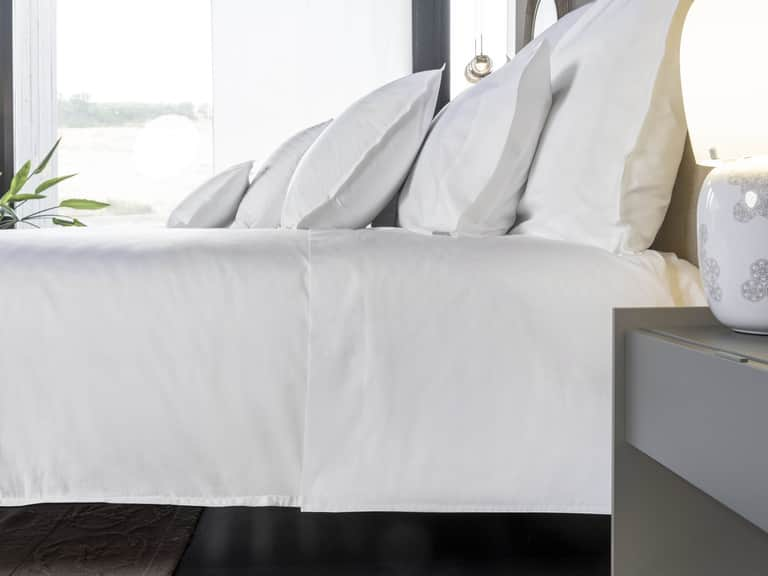
Percale is a crisp, cool weave that feels like a well-tuned instrument: breathable, breathable, and ready for the next day. In hospitality contexts, percale sheets typically come with counts ranging from 200 to 300, balancing a cool feel with durability. The 200-thread-count standard found in the classic Bovi Classic Hotel Sheet Sets is a reliable example: breathable, easy to launder, and comfortable across a night shift and a full guest turnover.
Sateen, by contrast, is known for a smoother, more lustrous hand. It tends to feel warmer and drape with a luxurious fall, which is why many boutique hotels favor a 300- to 600-thread-count sateen. The Sleep and Beyond Supima and Supima-derived line illustrates how a high thread count can be paired with long-staple fibers to yield a silkier touch without sacrificing washability.
Beyond texture, the fiber matters. Organic cotton, Supima, and linen blends each bring distinct benefits: organic cotton emphasizes sustainability and chemical-free production; Supima cotton adds extra-long staple strength and a premium hand; linen blends contribute breathability and an easy-care profile. The Lineare Sateen Flat Sheet demonstrates the premium finish that can be achieved with long-staple cotton in a sateen weave, lending an understated luxury to a hotel-like bed.
Materials Deep Dive: What to Look For When You Shop
A hotel-grade sheet typically prioritizes durability and ease of care as much as comfort. Here are core materials and their practical implications:
- Organic cotton: GOTS-certified materials ensure both organic farming standards and responsible processing. Sheets like Cloud Soft Organic Sateen and the Supersoft set emphasize wrinkle resistance and skin-friendly finishes.
- Supima cotton: Extra-long staple cotton that yields a smoother hand and stronger fabric, often used in 600-thread-counts for a sateen finish. The Lineare Line and related products showcase the premium integrity of Supima in a refined, hotel-ready look.
- Egyptian cotton: A classic in hotel linen, known for its long-staple fibers and a crisp, breathable surface; it frequently appears in flat sheets and fitted sheets designed to last through many cycles of washing.
- Linen blends: Linen or linen-blend sheets are valued for temperature regulation and a casual elegance. The Naturepedic Linen sets in Bedding category illustrate how linen can feel both sturdy and soft with laundering.
- Cotton blends: Poly-cotton or cotton blends can improve crease resistance and ease of care, providing an economical yet durable solution for high-turnover rooms.
When evaluating materials, consider thread count in context with weave and fiber. A 200–300 TC percale can feel crisper and more breathable than a 200 TC percale with a heavier finish, while a 300–600 TC sateen often yields a softer, drapier surface. The trick is to balance performance (washability and durability) with guest comfort (coolness, breathability, and touch).
Weave and Weight: Climate, Mattress Depth, and Guest Comfort
Weave-weight relationships matter. Heavier-weight percale retains structure through laundering and provides a crisp feel that resists pilling. In warmer climates or hotter rooms, a crisper percale can help maintain a cooler sleep surface, while a deeper-pocked, heavier sateen can feel more luxurious and can be better at insulating drafts in cooler rooms.
The Bovi Nazaré percale sheets—though described in the data as a crisp 200 TC percale—emphasize a balanced weave that remains calm and tailored, a good parallel for a general guest-room feel. Meanwhile, higher-end sets like the Bovi Simone or 400–600 TC percale offerings show how the same fundamental sheet can be refined for premium rooms.
For properties with luxurious suites or premium mattresses, consider a 600 TC sateen or equivalent that offers a sumptuous hand, balanced with a robust weave that survives repeated laundering. The Lineare Sateen Flat Sheet demonstrates how 600 TC can operate in a refined home setting, delivering a calm, minimalist aesthetic without sacrificing durability.
Care and Maintenance: Extending the Life of Hotel-Grade Sheets
The most important factor in maintaining a hotel-grade feel at home is consistent, proper care. Frequent laundering calls for fabrics that tolerate repeated washing without losing softness or structure. A few practical practices:
- Follow manufacturer instructions for washing temperatures and detergents. Organic cotton sheets with GOTS certification often tolerate warm washes, but hot cycles can break down fibers over time.
- Avoid fabric softeners; they can reduce the absorbency and breathability of cottons and can contribute to buildup on fibers.
- Use the recommended spin cycles to minimize wrinkles and reduce stress on the fabric. Flat sheets and percale sheets typically respond well to standard machine washing cycles made for home use.
- Drying should be on lower heat settings where possible; remove promptly to reduce wrinkling, or use a light tumble to maintain softness.
Templates and checklists, such as those offered in the hypothetical Hotelsheets.org collection (for example, a Cleaning Schedule Sheet or a Duvet Cover Care Guide), can be borrowed into daily housekeeping routines to maximize lifespan. The practical dimension of these templates—like a deep-pocket fitted sheet that comfortably fits thick mattresses—translates into home-use templates that ensure beds stay neat and comfortable with regular laundering.
Three Key Histories: Individuals Who Shaped Our Understanding of Sleep Textiles
To illuminate the conversation, consider three pivotal figures from different eras whose work touched textiles, comfort, and design—shaping how people think about sheets, fabrics, and sleep.
Florence Nightingale (1820–1910): Hygiene, Standardization, and Hospital Comfort
Nightingale’s influence extended beyond nursing; she helped elevate medical hygiene and hospital conditions as a standard. While not directly a textile designer, her advocacy for clean, safe, and standardized patient environments indirectly informed how hospitality spaces—at hotels and patient rooms alike—prioritize cleanliness, fabric integrity, and easy maintenance. Her legacy lives in the idea that the things touching the patient matter: bedding that is robust, easy to launder, and compatible with frequent use.
Eliezer Kahn (late 19th–early 20th century): The Rise of Industrial Textile Quality
A figure working through the age of mass production, Kahn’s era emphasized consistent weave quality and durable fibers—a mindset that underpins the modern hotel sheet: uniform thread counts, stable fabrics, and an ability to reproduce the same feel across dozens of beds. The modern hospitality textile industry owes much to the drive toward repeatable results and long-lasting materials, both reflected in the robust percale weaves and high-thread-counts of contemporary sets.
Tao J. Lin (mid-to-late 20th century): Aesthetic Minimalism and the Modern Bedroom
Lin’s modern emphasis on minimalism and calm interiors aligns with hotel trends toward clean lines, neutral palettes, and tactile restraint. The Lineare Sateen Flat Sheet captures that ethos: a restrained, refined surface with subtle sheen, designed to anchor a room without overpowering it. This lineage bridges hotel luxury and home living through understated textiles that prioritize quiet elegance, texture, and comfort.